From Y2K to 2026: The Evolution of Fashion Through the Decades
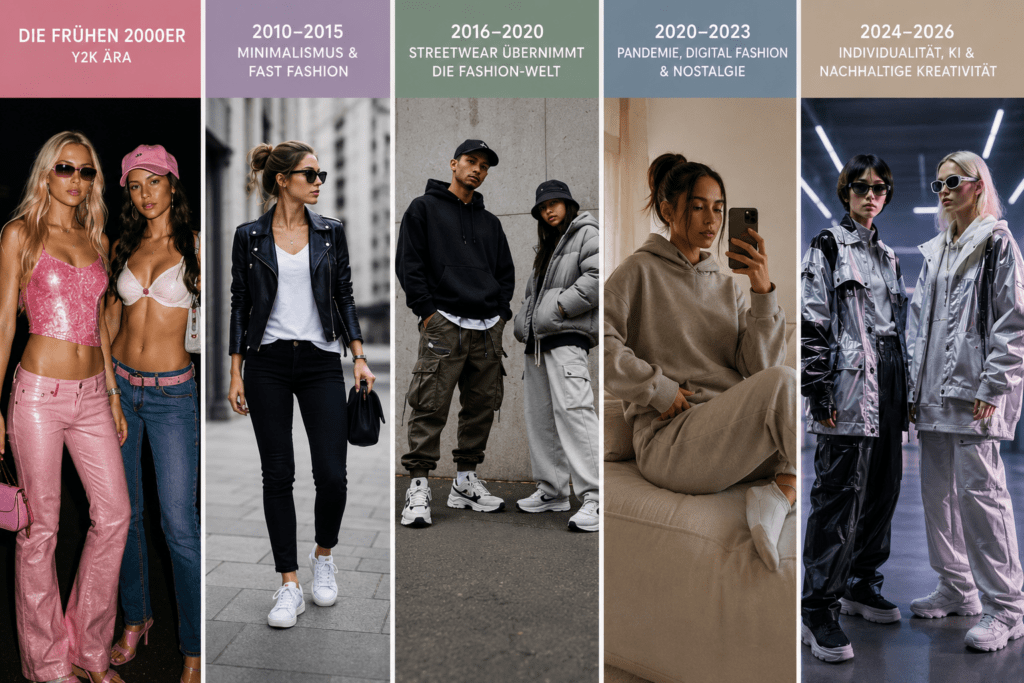
Fashion has always reflected culture, technology, music, and society. From the glittery Y2K aesthetics of the early 2000s to the digital-first fashion world of 2026, trends have continuously evolved — blending nostalgia, innovation, sustainability, and individuality.
In this article, we take a journey through the evolution of fashion from the early 2000s to today, exploring the styles, movements, and cultural shifts that shaped each era.
The Early 2000s: The Rise of Y2K Fashion
The early 2000s introduced one of the most recognizable fashion eras in modern history: Y2K fashion. Inspired by pop culture, futuristic technology, and celebrity influence, the style was bold, playful, and experimental.
Key Trends of the Early 2000s
- Low-rise jeans
- Rhinestones and glitter details
- Velour tracksuits
- Crop tops and baby tees
- Metallic fabrics
- Mini skirts
- Layered tank tops
- Oversized sunglasses
Pop icons like Britney Spears, Paris Hilton, and Christina Aguilera heavily influenced global fashion trends. Fashion became more celebrity-driven than ever before, with magazines and television shaping what people wore worldwide.
The rise of fast fashion brands also began transforming the industry, making trends more accessible and faster-moving.
2010–2015: Minimalism Meets Streetwear
As social media platforms like Instagram began growing, fashion shifted toward cleaner aesthetics mixed with urban streetwear influences.
Popular Trends During This Era
- Skinny jeans
- Leather jackets
- Neutral color palettes
- Statement sneakers
- Athleisure beginnings
- Snapbacks and graphic tees
- High-waisted shorts
- Monochrome outfits
Streetwear culture started becoming mainstream, inspired by skateboarding, hip-hop, and sneaker culture. Brands blended luxury with casual fashion, creating a new wave of modern style.
Fashion bloggers and influencers emerged as powerful voices, replacing traditional magazines as trendsetters.
2016–2020: Digital Fashion & Social Media Influence
Fashion became faster, more visual, and heavily influenced by online culture. Platforms like TikTok and Instagram accelerated trend cycles dramatically.
Defining Fashion Trends
- Oversized silhouettes
- Chunky sneakers
- Vintage and thrift fashion
- Logomania
- Gender-fluid styles
- Techwear
- Sustainable fashion awareness
- Influencer collaborations
Consumers began caring more about sustainability, ethical production, and individuality. Thrift shopping and vintage clothing gained popularity as people searched for unique styles and more conscious consumption habits.
At the same time, luxury brands embraced collaborations with streetwear labels, blurring the line between high fashion and everyday wear.
2020–2023: Comfort, Creativity & Nostalgia
The global pandemic significantly changed how people approached fashion. Comfort became essential, while nostalgia-driven trends returned stronger than ever.
Major Trends
- Oversized hoodies and relaxed fits
- Matching sets
- Knitwear and soft textures
- Y2K revival
- Wide-leg jeans
- Digital fashion shows
- DIY and handmade aesthetics
- Cottagecore and alternative aesthetics
Interestingly, fashion started revisiting the early 2000s, bringing Y2K trends back into mainstream culture for a new generation.
TikTok aesthetics such as “Clean Girl,” “Old Money,” “Streetcore,” and “Coastal Grandmother” demonstrated how internet culture now creates microtrends at an unprecedented speed.
2024–2026: Fashion in the Age of AI and Digital Creativity
Fashion today is more connected to technology than ever before. Artificial intelligence, digital design tools, virtual fashion, and creator communities are reshaping the industry.
Current Fashion Trends in 2026
- AI-assisted fashion design
- Virtual clothing and digital fashion
- Sustainable and slow fashion
- Hyper-personalized style
- Genderless collections
- Bold textures and layered styling
- Smart fabrics and wearable technology
- Community-driven fashion brands
Fashion is no longer controlled solely by luxury houses or large corporations. Independent creators, digital artists, and online communities now influence trends globally.
Platforms like TikTok and Instagram continue to shape fashion culture daily, while emerging technologies allow designers to create collections faster and more creatively than ever before.
The industry is also becoming more inclusive, celebrating diversity in body types, cultures, identities, and personal expression.
The Future of Fashion
Looking ahead, fashion will likely continue merging physical and digital experiences. Virtual try-ons, AI-generated designs, and sustainable production methods may soon become industry standards.
However, one thing remains unchanged: fashion is still about self-expression.
From rhinestone-covered Y2K outfits to AI-generated couture concepts, fashion tells the story of every generation — and the next chapter is only just beginning.
Final Thoughts
The evolution of fashion from the early 2000s to 2026 shows how deeply style connects with technology, culture, music, and society. Trends may come and go, but creativity continues to drive the industry forward.
Whether you love vintage Y2K aesthetics, minimalist streetwear, or futuristic digital fashion, one thing is clear: fashion has never been more diverse, accessible, and innovative than it is today.
Fashion is no longer just about clothing — it’s about identity, storytelling, and community.